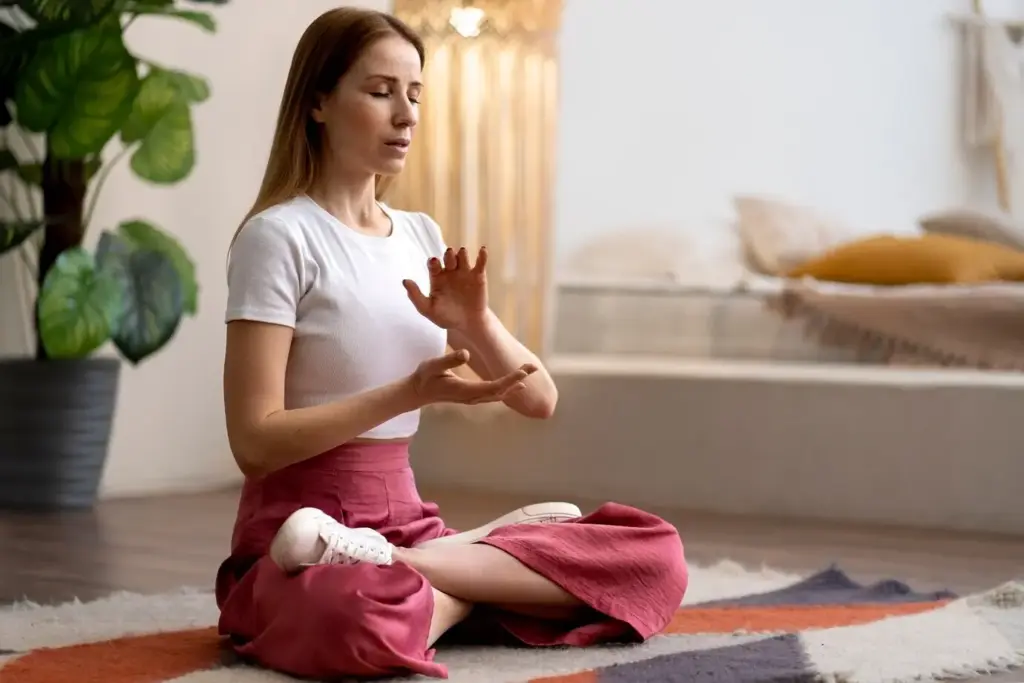
Breathe Between Stops: Calm for Commuters and Travelers

Today we explore micro-meditations for commuters and travelers, tiny practices designed to fit into crowded trains, shifting gates, and busy sidewalks without drawing attention or requiring extra time. You will learn how to use breath, posture, senses, and gentle reframing to transform dead time into nourishing pauses. These approachable tools help regulate stress, sharpen focus, and restore patience, even when delays or turbulence appear. Try a few on your next ride, share what worked, and subscribe to receive fresh, portable practices for life in motion.

Why Tiny Practices Work on the Go

Short, consistent practices can trigger big physiological shifts, because the nervous system responds quickly to cues of safety and rhythm. Even one slow exhale nudges the vagus nerve, lowers heart rate, and signals calm. When repeated throughout a trip, small resets accumulate into notable clarity. These moments are discreet, compatible with schedules, and resilient to interruptions, which is why busy people actually use them. Share your experiences or questions below, and let us know which brief practice proves easiest to repeat during your commute.

Sixty Seconds, Real Physiology

Research suggests that brief breath-focused intervals can influence heart rate variability and perceived stress within minutes, not hours. A single minute of paced breathing or palm awareness during a red light can create a measurable shift in tension. The secret is signaling safety reliably. Repeat throughout your journey, notice subtle changes, and celebrate small wins by commenting on your results so others can learn from your experiments and adapt techniques to their routes and routines.

Attention in Transit

Travel environments bombard the brain with novelty, noise, and unpredictability, which can drain attention. Micro-meditations gently re-anchor focus without demanding silence or long breaks. Focusing on footsteps, seat pressure, or a steady exhale reduces cognitive load and supports mood. Over time, these small anchors become habits that automatically arise under stress. Share where your attention wanders most in motion, and ask for tailored anchors that match your specific route, vehicle, or pacing.

Practical Breathwork for Crowded Rides

Breath practices thrive in cramped spaces because they are invisible, quiet, and effective. You can downshift stress while standing shoulder to shoulder, waiting at baggage claim, or cruising at altitude. Focus on patterns that require minimal counting, respect different fitness levels, and adapt to masks or dry cabin air. Mix one steady rhythm with gentle awareness of posture, and let your exhale do the heavy lifting. Tell us which rhythm feels natural so we can refine future guides.

Embodied Awareness While Moving

Embodiment turns a chaotic commute into sensory clarity. When you notice contact, weight, sway, and temperature, the nervous system finds orientation and steadiness. These micro check-ins require no special gear. They reduce rumination by inviting friendly curiosity about real-time physical signals. Subtle movements and tiny pauses regulate energy without disrupting flow. Practice while walking, standing, or sitting, then share one sensation that surprised you; your discovery might inspire another reader’s next ride.

Micro Body Scan in a Queue

While waiting, sweep attention from crown to toes in thin bands, spending just a few seconds per area. Identify neutral sensations like warmth in the palms or the texture of your socks, not only discomfort. Neutral noticing is stabilizing. If you find tension, soften the jaw and lengthen the exhale slightly. Post a quick note about the most surprising neutral sensation you discovered so we can build a crowd-sourced list of comforting anchors.

Anchor to Contact Points

Feel the soles meet the floor, hips touch the seat, or palms rest on a bag handle. Let gravity do the work as you breathe. Even during motion, these contact points offer steadiness. Label the sensation with simple words like firm, warm, or stable. Repeat quietly. After a week, share which contact point became your reliable anchor, and we will offer variations for standing room only rides or long-haul flights.

Balance with the Train’s Sway

Use the carriage sway like a standing meditation teacher. Soften knees, stack ribs over pelvis, and allow tiny ankle adjustments to balance. Each gentle correction is a present-moment reminder without effort. If you grip the floor, try loosening your toes. Keep breathing low and quiet. Tell us whether this playful balance practice eased your tension, and we will propose seated equivalents for buses, shuttles, and narrow airplane aisles.

Sights, Sounds, and Scents as Anchors

Sensory anchors convert the commute’s noise into a training ground for poise. Rather than pushing stimuli away, you can notice colors, patterns, edges, tones, and aromas with nonjudgmental curiosity. This simple shift reclaims attention and reduces irritation. You are not chasing silence; you are learning steadiness in reality. Try these playful exercises on your next journey, then share a favorite discovery and subscribe for weekly challenges that keep your practice flexible and fresh.

Turning Delays and Crowds into Practice

Delays, lines, and packed cabins are invitations to practice resilience and kindness. You cannot control the schedule, but you can influence your inner climate through breath, attention, reframing, and compassion. These skills grow fastest when conditions are imperfect. Celebrate each small success, however ordinary. Share a story about transforming a stressful moment into steadiness, and join the discussion to learn from fellow travelers who practice patience under pressure daily.

Simple Rituals to Bookend Your Journey

Rituals create reliable entry and exit points for calm, so your nervous system anticipates steadiness before movement begins and after it ends. By pairing tiny acts with predictable moments, you build automaticity. Over time, these elegant bookends make every trip feel friendlier. Experiment for one week, track feelings for two minutes nightly, and share results. Subscribe to receive printable cue cards and led audio snippets designed for busy routes and shifting schedules.

Doorway Breaths

Each time you pass through a doorway into a vehicle or station, take two quiet nasal breaths and lengthen the second exhale. Associate doors with softening. This simple cue happens multiple times per commute, stacking benefits invisibly. If you miss one, smile and take the next. Report how many doorways you collected in a day, and we will suggest variations using escalators, turnstiles, and seatbelts as equally reliable anchors.

Arrival Gratitude

After arriving, pause for twenty seconds to name three specific helpers from your journey, like a clear announcement, a friendly nod, or functioning brakes. Gratitude rewires attention toward resources, not just hassles, which boosts resilience. Tie this to removing your bag or unlocking your door. Share your three in the comments, and we will compile a weekly gratitude thread that keeps everyone’s practice grounded, real, and encouraging through difficult travel days.

Two-Minute Travel Journal

Before bed, jot one sentence about a micro-meditation you used, one bodily sensation you noticed, and one adjustment for tomorrow. Keeping it brief preserves consistency. Over time, this tiny journal reveals patterns that guide smarter choices. Snap a photo of your page and share takeaways if comfortable, inviting feedback and mutual accountability. We will offer prompts and templates that fit in pockets or phones to maintain momentum easily.
Pufurikunumelaluruhuzivanu
Privacy Overview

This website uses cookies so that we can provide you with the best user experience possible. Cookie information is stored in your browser and performs functions such as recognising you when you return to our website and helping our team to understand which sections of the website you find most interesting and useful.