Find Calm Fast with Your Senses

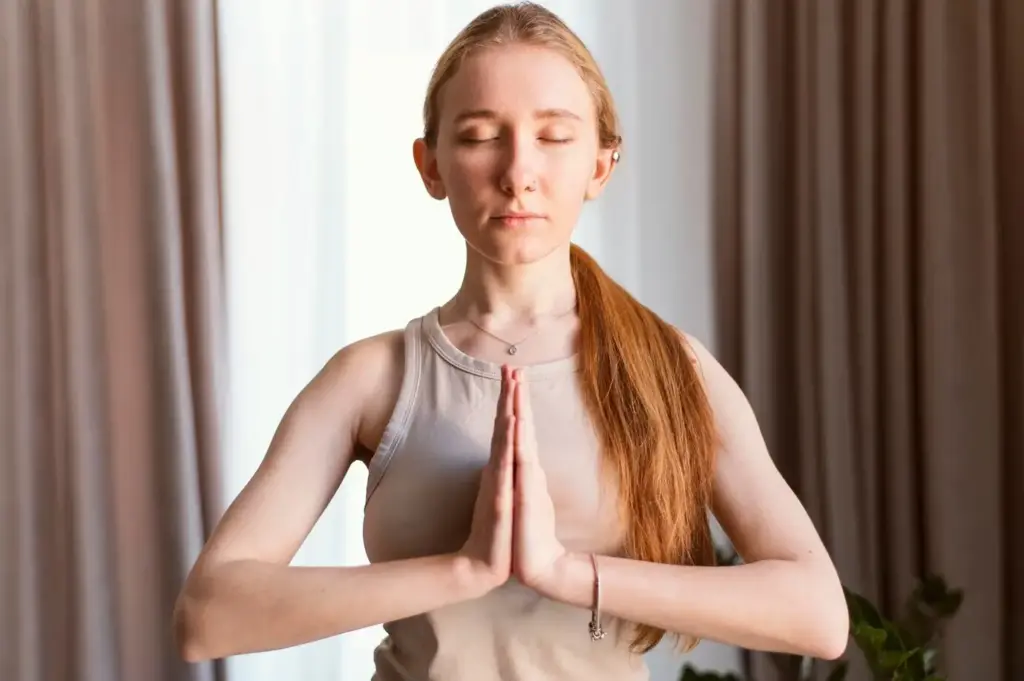
Today we explore sensory grounding practices you can do in 60 seconds, offering quick, compassionate ways to steady your nervous system wherever you are. These tiny resets use sight, touch, sound, smell, and taste to anchor attention, interrupt spirals, and reclaim choice. Expect clear steps, honest stories, and playful prompts you can try between emails, during commutes, or before sleep. Keep what works, adapt the rest, and share your discoveries to help others breathe easier alongside you.

Start Here: The 5-4-3-2-1 Reset

When stress surges, the classic 5-4-3-2-1 sequence is like a handrail for the mind. In under a minute, your senses guide attention from racing thoughts to the solidity of the present. Naming what you see, feel, hear, smell, and taste creates a gentle, structured rhythm. It is portable, discreet, and surprisingly empowering, especially when practiced before you urgently need it. Consider it a friendly script your body already understands, waiting to remind you, quietly, that you are here and capable.

See: Five Things Around You

Scan your surroundings and identify five details you genuinely notice: the way light pools on the floor, a hairline crack in ceramic, a soft wrinkle in fabric, a vivid book spine, a smudge of color. Say them silently or whisper them. Let your eyes slow down and linger. The act of naming dissolves vagueness and invites reality to assert itself. You are not thinking about objects; you are meeting them, one by one, and each recognition steadies your breathing.

Touch: Four Points of Contact

Shift attention to four tactile sensations. Feel your feet pressing into shoes, the chair supporting your thighs, a sleeve brushing your skin, the temperature of air on your neck. Press toes, spread fingers, notice fabric texture against your palm. Invite curiosity rather than judgment. Each sensation anchors you in space, reminding the body that safety exists here and now. As touch becomes clearer, your shoulders may drop, jaw softens, and the urge to rush eases, even if nothing outside changes.

Hear: Three Sounds in the Space

Name three sounds, near or far: the hum of ventilation, muted traffic, a colleague’s keyboard, birdsong behind glass, your own breath moving. Let them arrive without chasing or resisting. Consider their layers, noticing volume, rhythm, and duration. Listening in this way broadens awareness, shifting focus from threat to environment. You do not need to like the sounds; acknowledging them is enough. With each recognition, your attention widens, creating room for choice, and your nervous system receives permission to settle.

Breathe and Cool: Quick Nervous System Soothers

Breath and temperature changes speak the body’s native language. In sixty seconds, paced breathing steadies heart rhythms while a brief cooling cue nudges the vagus nerve toward calm. These are friendly, low-effort tools for meetings, doorways, and parking lots. They work best when practiced casually during calm moments, so they feel familiar when storms arrive. Pair them with a gentle inner voice: short phrases like “In, soft” and “Out, slower” help you guide the experience without pressure or perfectionism.

Box Breathing in a Blink

Inhale for four, hold for four, exhale for four, hold for four. Trace a mental square as you breathe, letting corners mark each transition. If four feels tight, try three; if it feels easy, extend the exhale to five. The count creates reliability your body can lean on. Shoulders relax as carbon dioxide levels rebalance and heart rate variability improves. After three or four cycles, notice subtle clarity returning, like fog lifting enough to see the next safe step forward.

Cold Wrist or Splash Technique

A quick chill at the wrists, temples, or back of the neck can reset alertness and soften spirals. Run cool water for twenty seconds, press a chilled can to your pulse points, or use a clean, damp cloth. The temperature shift is a physical interruption, reminding the nervous system that you can create change on purpose. Pair with one slow exhale and a simple thought like “I am returning.” Many people report immediate relief, especially during afternoon slumps or pre-meeting jitters.

Scented Exhale for a Steady Mind

Keep a small essential oil or scented hand cream—lavender, citrus, or peppermint—nearby. Inhale gently through the nose, noticing the top notes, and exhale twice as long through pursed lips. Smell travels directly to brain regions tied to memory and emotion, offering a swift doorway to steadiness. One or two cycles can change the tone of a moment. It is not about masking feelings; it is about creating enough calm to respond wisely and choose your very next small action.

Taste and Smell: Tiny Rituals with Big Effects

Flavor and fragrance recruit attention with surprising immediacy. A bright sip or sharp aroma becomes a lighthouse during foggy moments, steering awareness from rumination to sensation. These rituals shine in kitchens, break rooms, and travel lanes, where time is scarce and choices count. Consider building a small sensory kit, like gum, citrus peel, or tea. Use intentionally, not compulsively, and notice how quickly your focus returns. Over days, these consistent micro-moments teach your body what safety feels like again.

Citrus Zest Wake-Up

Peel an orange strip or twist a lemon over your fingers and take three slow inhalations. Observe how brightness cuts through mental noise, like opening a window. Let the zing land on your tongue if you like, noticing coolness and slight bitterness. This tiny ritual pairs beautifully with a pause and a shoulder roll. The goal is not stimulation for its own sake, but a clear, sensory doorway back to presence. When you can feel zest, you can choose your next step.

Mindful Sip: Water, Tea, or Coffee

Lift your cup and notice weight, temperature, and aroma. Take a slow sip, track the liquid’s path, and count to five before swallowing. Savor texture, sweetness, bitterness, or bubbles. Then exhale longer than you inhaled. Repeat once. This respectful attention transforms an everyday moment into a grounding practice without adding time to your day. You are not escaping responsibility; you are building stability that helps you carry it. The sip becomes a bridge from reaction to intention.

Micro-Movements: Anchor the Body, Calm the Mind
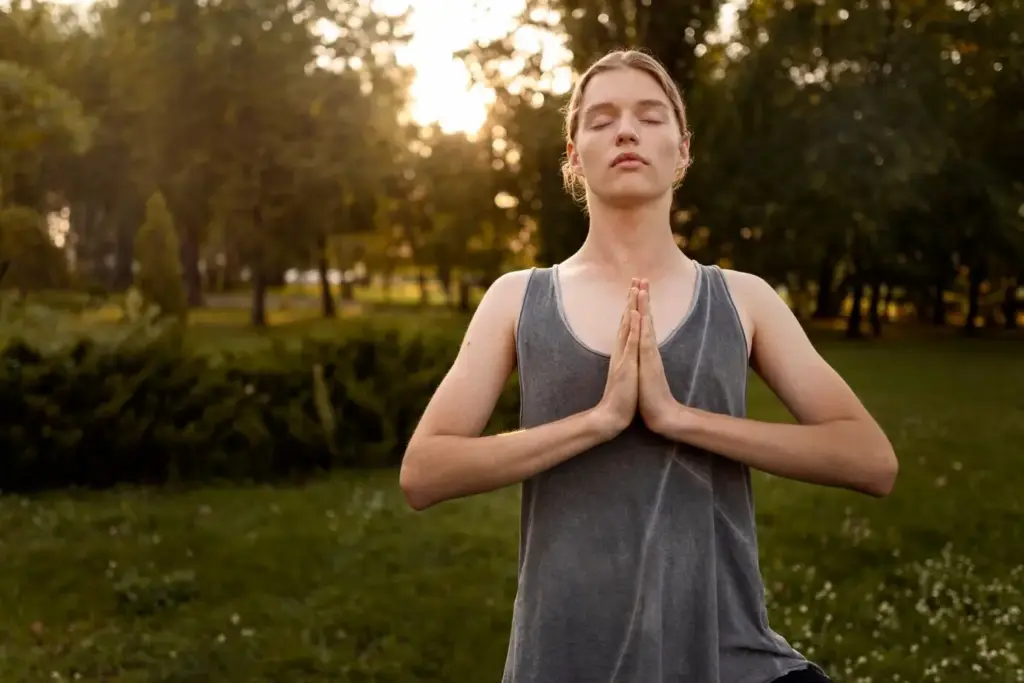
When thoughts sprint, your body is a reliable place to begin again. Micro-movements—tiny, respectful adjustments—create instant feedback without drama or equipment. In a single minute, posture, pressure, and rhythm can do heavy lifting for regulation. We are not chasing perfect form; we are courting felt stability. As awareness spreads from heels to crown, your breath often follows. Practice in doorways, pause between tasks, or pair with phone reminders. Gradually, the body becomes both compass and shelter through difficult hours.

Discreet Practices for Work, Transit, and Crowds

Steadiness matters most where it is hardest to pause. Offices, trains, lines, and waiting rooms demand subtlety, and your senses excel at quiet support. In one minute, you can reset without drawing attention or stepping away. Think small, hidden, kind: fingers tracing a paper edge, eyes naming neutral colors, breath syncing with footsteps. These are not escape hatches; they are anchors that let you stay. Try a few, notice what sticks, and carry them like pocket-size allies throughout the day.

Meeting-Friendly Anchors

Under the table, press feet into the floor and count to five, releasing on a longer exhale. Track your breath with bullet points or agenda items. Keep a smooth pebble in your pocket and rub its surface during tense moments. Let your gaze briefly land on calming lines—the edge of a notebook or the horizon through a window. These subtle choices stabilize physiology without derailing participation. After sixty seconds, ask one clarifying question; action reinforces the calm you just created deliberately.

Subway or Bus Scan

On transit, pair breath with motion: inhale as doors open, exhale as they close. Count stops as gentle beats. Identify three colors in advertisements, two textures on seats, one unique shoe. Keep shoulders soft and jaw unclenched. If it feels safe, briefly close eyes on an exhale, then open to reorient. This rhythmic attention transforms a stressful commute into a training ground for presence. By arrival, you have already practiced resilience, making the next transition smoother and kinder to yourself.

Make It Stick: Cues, Stacking, and Tracking

Consistency beats intensity. Tie your 60-second practices to daily anchors—doors, mugs, logins—so repetition happens with minimal effort. Track what helps, not to judge, but to learn your patterns: mornings might need breath, afternoons texture. Celebrate small wins because your nervous system remembers kindness. If you miss a day, simply resume at the next cue. Think of this as tuning an instrument you play daily. The goal is not perfection; it is access to steadying choices when they matter most.

From Solo Practice to Shared Support

Grounding grows stronger in community. When we swap ideas, we inherit each other’s courage and keep discoveries alive. In sixty seconds, you can model steadiness for someone nearby, quietly normalizing care in stressful spaces. Consider inviting colleagues, friends, or family to try a quick practice together. Share what helped and what felt awkward; honesty builds trust. Subscribe, comment, or reply with your experiences so we can learn collectively. Small stories, exchanged consistently, become lifelines that outlast a single challenging day.

Invite a Friend to a 60-Second Challenge

Send a simple message: “Want to test a one-minute sensory reset with me this week?” Choose a daily cue and check in with a thumbs-up when done. Keep tone playful, expectations light, and options flexible. Celebrate any attempt. When motivation dips, swap a new technique rather than stopping. Shared practice transforms novelty into culture, and culture carries you when willpower stutters. A tiny ritual between friends becomes a surprisingly sturdy bridge back to calm during chaotic or uncertain stretches.

Share Your Favorite Anchors in Comments

Tell us what works in real life: the color scan before presentations, the cold wrist cue after tough emails, or that citrus breath during commutes. Include where, when, and how it helps, so others can try it confidently. Ask questions and request tweaks. Practical wisdom grows when communities compare notes without judgment. Your story might be exactly the nudge someone needs today. Add your voice, read others, and let this shared library become a living toolkit for steadier, kinder days.

Subscribe for Weekly Micro-Resets

Join for brief, actionable ideas you can finish before your coffee cools. Expect one-minute practices, seasonal adjustments, and reader-tested suggestions that respect busy schedules. We prioritize clarity, kindness, and science you can feel. Replies are always welcome—your questions shape future guides. Subscribing is less about inboxes and more about rhythm: a dependable pulse that says, each week, there are practical ways to return. Let this cadence support you as responsibilities evolve and the seasons of your life shift.
Pufurikunumelaluruhuzivanu
Privacy Overview

This website uses cookies so that we can provide you with the best user experience possible. Cookie information is stored in your browser and performs functions such as recognising you when you return to our website and helping our team to understand which sections of the website you find most interesting and useful.